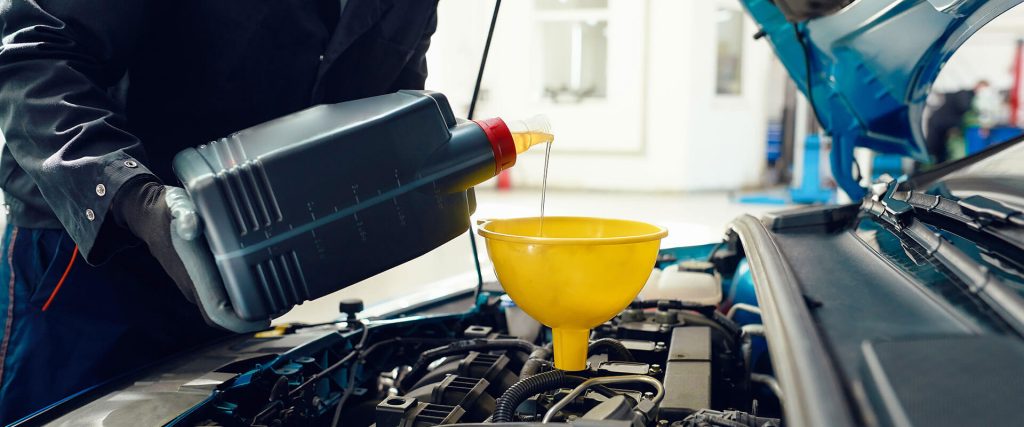
We hate to say it, but if there are metal shavings in your motor oil, your engine is a goner. Unfortunately, the metal that is in the oil is disintegrating engine parts. There is no solution to this problem other than to replace the engine. We can do that at our auto service shop. We […]
Your car needs clean fluids and filters just as much as you do. Many people don’t realize how necessary it is to change their car’s oil or air filter. Just like our own bodies, when these things get clogged, it can have a negative effect on our car’s performance. In this blog post, we’ll discuss […]
If your car is vibrating and squeaking, it is likely that the driveshaft is overdue for service. The driveshaft is part of the drivetrain. It is the drivetrain part that turns the wheels. Generally, the driveshaft should be inspected once a year to make sure that the parts are not wearing out. During this inspection, […]
Problems with the mass airflow (MAF) sensor can actually cause the main computer chip to turn on the check engine light. The most common issue an MAF sensor faces is getting too dirty. When this happens, the sensor may start to malfunction and create a ton of engine problems. Guaranteed Auto Air & Repair is […]
Bring your vehicle to Guaranteed Auto Air & Repair right away if it is releasing black exhaust. This means that the engine is burning extra fuel in the combustion chamber. One reason why the chamber would have extra fuel in it is a faulty oxygen or O2 sensor. If the sensor is misreading the oxygen […]
One of your vehicle’s most important safety features is its brakes. That’s why it’s so important to know when it’s time for a new set. If you’re not sure whether or not your brakes need to be replaced, here are six signs that it might be time: 1. If your brakes are making noise: It’s […]
Today’s vehicles offer an exceptionally smooth ride over even the most demanding of surfaces. Most of this is down to the suspension system, which not only makes journeys less bumpy but also contributes to safety by making the car easier and more predictable to control. But even the most advanced suspensions can fail from time […]
Guaranteed Auto Air & Repair advises that if your engine is suddenly extremely loud, it’s possible that the catalytic converter is missing. People steal catalytic converters for the palladium, rhodium, and platinum out of which they are made. If your vehicle was parked in a public place and the engine is extremely loud the first […]
Guaranteed Auto Air & Repair advises that if your car is overdue for an oil change and the engine is sputtering, you likely have a clogged oil filter. The oil filter is changed when the oil is changed to ensure that it is always clean and capable of removing dirt and grime from the oil. […]
Guaranteed Auto Air & Repair is serious when we say that you shouldn’t see a ton of smoke coming out of your tailpipe. If you think about it, your exhaust is invisible. This is the way it should be. Unfortunately, a serious fluid leak in the engine can cause your tailpipe to turn into a […]
Over 1,500 Five-Star Google Reviews — Thank You, Rockledge!
We’re proud to share that Guaranteed Auto Air & Repair has earned more than 1,500 five-star Google reviews. We’re grateful to the Rockledge community for your continued trust and support.
Your feedback drives us to keep delivering honest, reliable, and high-quality auto repair services every day.
Engine noises can be alarming for any driver, indicating potential issues that require immediate attention. Common sounds such as knocking, ticking, or grinding can signify problems ranging from low oil levels to serious engine damage.
For instance, a knocking noise might suggest a lack of lubrication, while a ticking sound could be related to a failing lifter. It's crucial to address these noises promptly to avoid costly repairs and ensure the longevity of your vehicle.
Essential Maintenance Tips for Vehicle Longevity
Regular maintenance is key to keeping your vehicle in optimal condition and extending its lifespan. Simple tasks such as oil changes, tire rotations, and brake inspections can prevent more significant issues down the line.
For example, changing your oil every 3,000 to 5,000 miles can help maintain engine health, while rotating your tires helps ensure even wear and improves traction. Adhering to a maintenance schedule can save you money and enhance your driving experience.
How Weather Affects Your Vehicle's Performance
Weather conditions can significantly impact your vehicle's performance and maintenance needs. Extreme temperatures, whether hot or cold, can affect everything from tire pressure to battery life.
For instance, cold weather can reduce battery efficiency, leading to starting issues, while hot weather can cause engine overheating. Understanding these effects allows drivers to take proactive measures, such as checking fluid levels and battery health, to ensure reliable performance year-round.
Recognizing Warning Lights on Your Dashboard
Dashboard warning lights are crucial indicators of your vehicle's health, alerting you to potential problems that need attention. Familiarizing yourself with these lights can help you respond quickly to issues before they escalate.
For example, a check engine light could indicate anything from a loose gas cap to a serious engine malfunction. Ignoring these warnings can lead to severe damage, so it's essential to investigate any illuminated lights promptly and consult a professional if needed.
Engine noises can be alarming for any driver, indicating potential issues that require immediate attention. Common sounds such as knocking, ticking, or grinding can signify problems ranging from low oil levels to serious engine damage.
For instance, a knocking noise might suggest a lack of lubrication, while a ticking sound could be related to a failing lifter. It's crucial to address these noises promptly to avoid costly repairs and ensure the longevity of your vehicle.
Essential Maintenance Tips for Vehicle Longevity
Regular maintenance is key to keeping your vehicle in optimal condition and extending its lifespan. Simple tasks such as oil changes, tire rotations, and brake inspections can prevent more significant issues down the line.
For example, changing your oil every 3,000 to 5,000 miles can help maintain engine health, while rotating your tires helps ensure even wear and improves traction. Adhering to a maintenance schedule can save you money and enhance your driving experience.
How Weather Affects Your Vehicle's Performance
Weather conditions can significantly impact your vehicle's performance and maintenance needs. Extreme temperatures, whether hot or cold, can affect everything from tire pressure to battery life.
For instance, cold weather can reduce battery efficiency, leading to starting issues, while hot weather can cause engine overheating. Understanding these effects allows drivers to take proactive measures, such as checking fluid levels and battery health, to ensure reliable performance year-round.
Recognizing Warning Lights on Your Dashboard
Dashboard warning lights are crucial indicators of your vehicle's health, alerting you to potential problems that need attention. Familiarizing yourself with these lights can help you respond quickly to issues before they escalate.
For example, a check engine light could indicate anything from a loose gas cap to a serious engine malfunction. Ignoring these warnings can lead to severe damage, so it's essential to investigate any illuminated lights promptly and consult a professional if needed.